- Saks Global filed for Chapter 11 due to debt from the Neiman Marcus acquisition and shifting luxury consumer habits.
- Leadership turnover and cash flow issues worsened financial pressures ahead of the filing.
- Restructuring offers a chance to close underperforming stores and streamline operations.
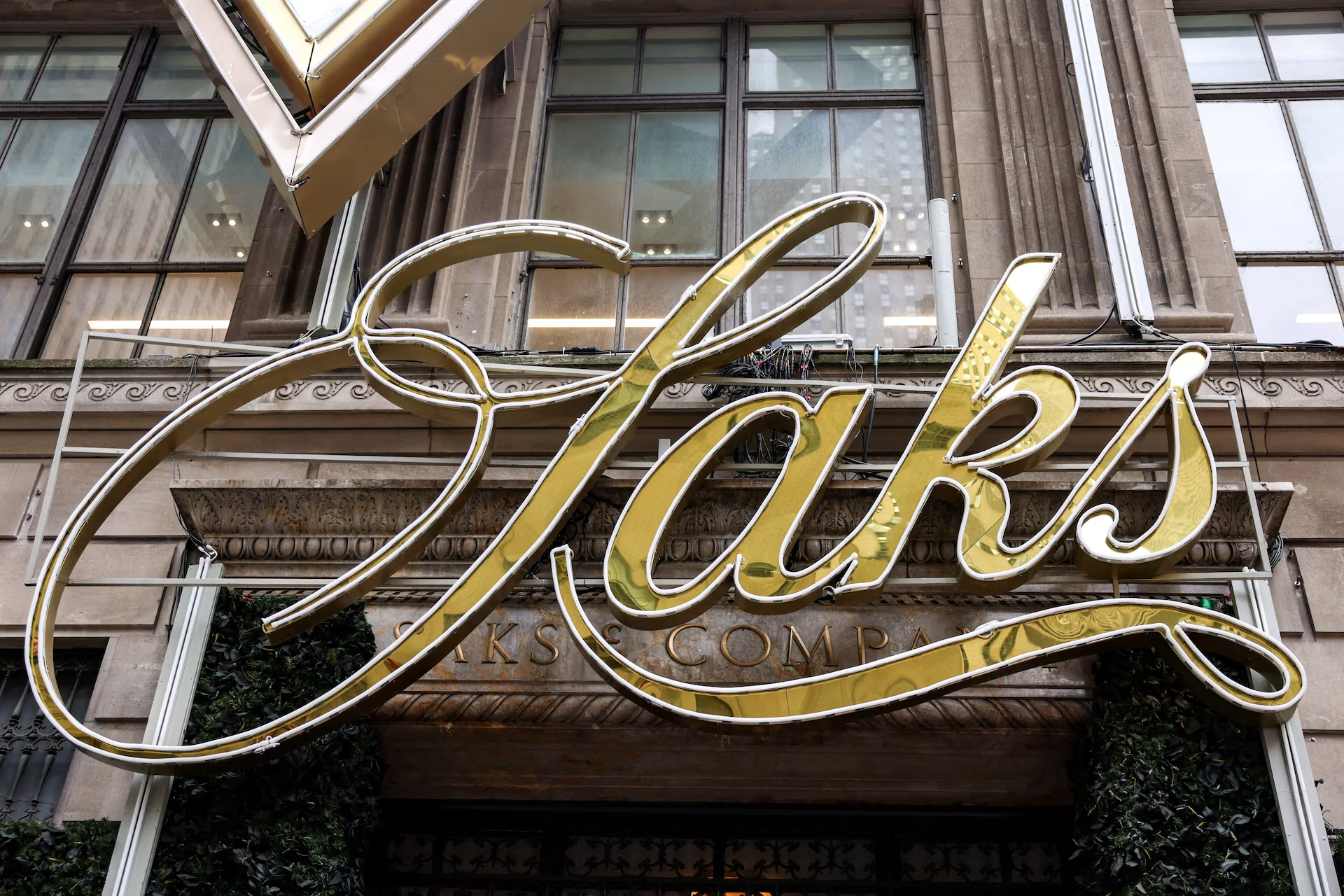
Saks Global, the parent company of Saks Fifth Avenue, officially filed for Chapter 11 bankruptcy late Tuesday, marking the first major retail collapse of 2026. The filing comes just over a year after the company completed its $2.65 billion acquisition of Neiman Marcus, a deal heavily financed with debt that has weighed on the business. As traditional department stores struggle to adapt to changing consumer habits, Saks Global now faces a challenging path to restructure and stabilize its operations.
Debt Burden and Consumer Shifts Hit Luxury Retail
The bankruptcy highlights a broader trend in luxury retail: consumers are increasingly bypassing department stores, opting to purchase high-end goods directly from brands. Rising prices and perceived declines in quality have frustrated shoppers, leaving retailers like Saks Global vulnerable. The company’s debt from the Neiman Marcus acquisition has intensified financial pressures, making it difficult to manage inventory, pay vendors, and sustain sales.
Leadership Turmoil Preceded Filing
Saks Global’s management changes underscore the instability leading up to the bankruptcy. CEO Marc Metrick stepped down in early January, only for executive chairman Richard Baker to briefly assume the role before departing himself. Former Neiman Marcus CEO Geoffroy van Raemdonck has now been appointed to guide the company through its restructuring. Van Raemdonck emphasized the importance of strengthening the company’s foundation while continuing to serve customers and luxury brands.
Restructuring as Opportunity
Industry experts see bankruptcy not only as a necessity but also as a chance to streamline operations. Glenn McMahon of MAC Advisory noted that restructuring could allow Saks to close underperforming stores, particularly where Neiman Marcus locations overlap. Saks Global has secured $1 billion in debtor-in-possession financing to fund operations during the bankruptcy process, with an additional $500 million pledged by bondholders once restructuring is complete. Persistent cash flow problems, as highlighted by Creditsafe data on late payments, further demonstrate why bankruptcy was inevitable.
Also Read: Barclays Makes Its First Stablecoin Investment — Is Big Banking Finally On Board?
Saks Global’s bankruptcy reflects the harsh realities facing traditional luxury retailers. Debt from acquisitions, declining consumer confidence, and evolving shopping habits have converged to push the company into Chapter 11. While the process is designed to stabilize operations, the case serves as a warning for other department stores that must adapt quickly or risk a similar fate in a rapidly changing retail environment.
Disclaimer: The information in this article is for general purposes only and does not constitute financial advice. The author’s views are personal and may not reflect the views of CoinBrief.io. Before making any investment decisions, you should always conduct your own research. CoinBrief.io is not responsible for any financial losses.