- Vitalik Buterin says current DAO models are inefficient and politically fragile.
- Better oracles, privacy tools, and AI support are critical for next-gen DAOs.
- Strong communication and governance design must be core, not optional.
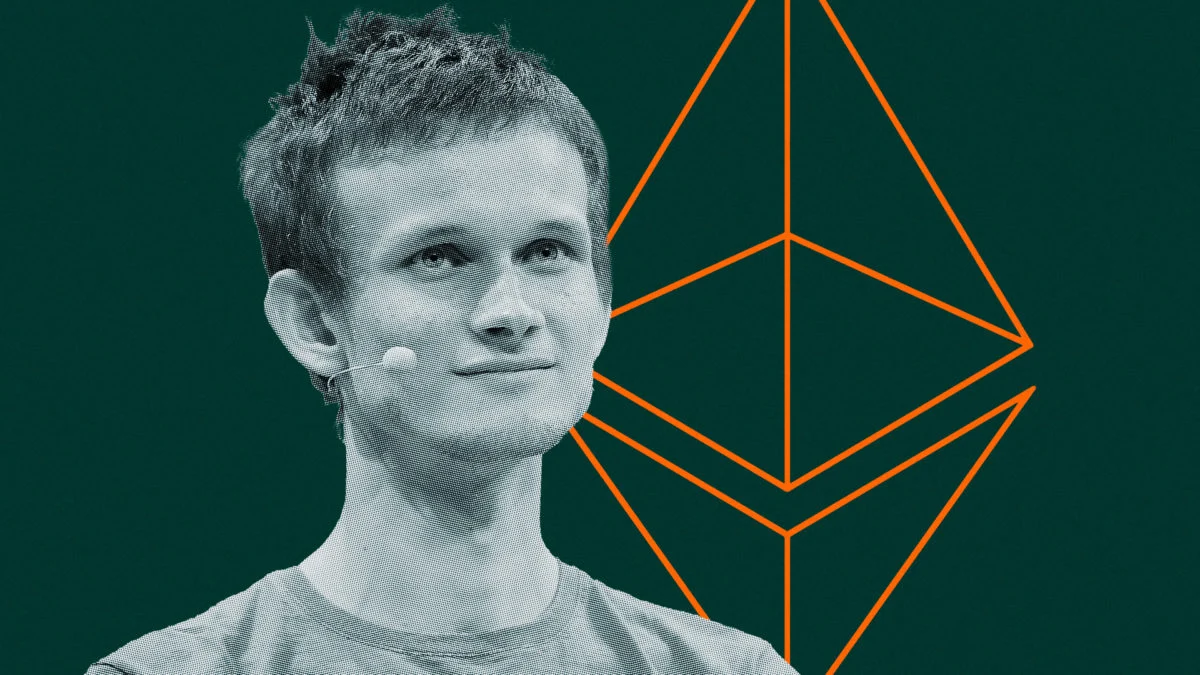
Ethereum co-founder Vitalik Buterin is pushing the crypto industry to rethink how decentralized autonomous organizations are built. In a recent post on X, Buterin argued that while DAOs remain central to Ethereum’s original vision, the dominant models in use today are falling short. His message was clear: the ecosystem needs more DAOs—but they must be fundamentally better than what exists now.
Ethereum itself was inspired by the idea that decentralized systems could govern resources more fairly and efficiently than traditional institutions. Yet, according to Buterin, many modern DAOs have drifted toward structures that mirror the political inefficiencies they were meant to replace.
Why Today’s DAO Models Are Struggling
Most DAOs today rely on token-holder voting to manage treasuries and make decisions. While functional, Buterin believes this approach is too simplistic and vulnerable to human dynamics such as power concentration, voter apathy, and short-term thinking.
This has fueled growing skepticism around DAOs, particularly as participation declines over time and governance decisions become increasingly performative rather than effective. For Buterin, the problem is not decentralization itself, but how it has been implemented.
Oracles, DeFi, and Core Infrastructure Gaps
One of the most urgent issues Buterin highlighted is the weakness of current oracle designs. Oracles are critical to decentralized finance, powering stablecoins, prediction markets, and other foundational tools. However, token-based oracle systems have inherent security limits tied to their market capitalization, making them costly and inefficient at scale.
Beyond oracles, Buterin pointed to several underdeveloped DAO use cases: onchain dispute resolution for insurance and complex contracts, maintaining trusted registries of verified apps and token addresses, rapidly funding short-term initiatives, and sustaining long-term projects after founding teams move on.
Privacy and Decision Fatigue Hold DAOs Back
Buterin identified two structural barriers that consistently undermine DAO governance: lack of privacy and decision fatigue. Without privacy, governance turns into a social contest where influence outweighs merit. Meanwhile, requiring frequent participation leads to early enthusiasm followed by burnout and disengagement.
Emerging technologies could help. Zero-knowledge proofs offer a path toward private yet verifiable governance, while selective use of AI could reduce the cognitive load on participants. Buterin stressed that AI should support human judgment, not replace it.
Another key proposal is embedding strong communication layers—forums, coordination tools, and dedicated platforms—directly into DAO design. Governance, Buterin argued, should not be an afterthought. Projects building new oracles or governance systems should treat these components as core infrastructure from day one.
Also Read: Ethereum Staking ETF Pays Out for the First Time — Is Institutional Confidence Back?
For Buterin, improving DAOs is essential to ensuring Ethereum’s decentralized base layer is matched by equally resilient systems built on top of it.
Disclaimer: The information in this article is for general purposes only and does not constitute financial advice. The author’s views are personal and may not reflect the views of CoinBrief.io. Before making any investment decisions, you should always conduct your own research. CoinBrief.io is not responsible for any financial losses.