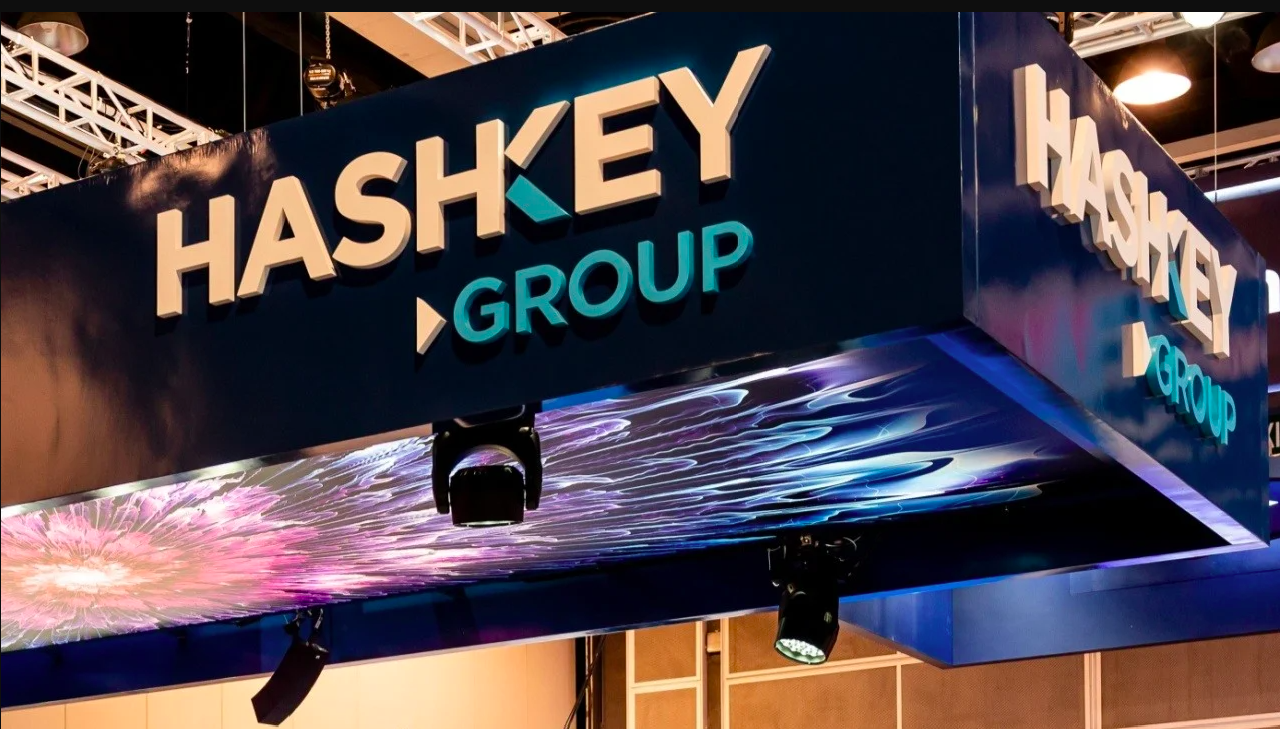
HashKey’s plan to go public in Hong Kong is shaping up to be a defining moment for the city’s digital asset ambitions. The company is seeking to list more than 240 million shares, aiming to become the first fully crypto-native platform to trade on the Hong Kong Stock Exchange under the city’s virtual asset rules. For investors, the deal offers a direct way to gauge whether a tightly regulated crypto model can succeed in public markets.

At the top end of the proposed price range, the offering could raise roughly HKD 1.67 billion, or about $215 million, with trading expected to start in mid-December. Beyond the headline numbers, the listing serves as a broader referendum on Hong Kong’s push to rebuild itself as a regulated crypto hub.
More Than a Trading Venue
HashKey is presenting itself as a full-service digital asset provider rather than a simple exchange. Alongside spot trading, the group operates licensed custody services, institutional staking, crypto asset management, and a tokenization platform focused on real-world assets. This integrated structure is designed to appeal to banks, funds, and corporate clients that need regulatory clarity and operational depth.
The company reports managing large volumes of staked assets and billions of Hong Kong dollars in crypto-related assets under management. It has also positioned its tokenization network as a bridge between traditional finance and onchain markets, supporting products such as structured instruments and private credit.
Growth Comes at a Cost
HashKey’s financials reflect rapid expansion paired with heavy spending. Revenue has climbed sharply over recent years as new services launched and trading activity increased. At the same time, losses have widened due to investments in compliance, technology, staffing, and overseas licensing.
While the company remains unprofitable, its more recent disclosures show losses beginning to narrow. Management argues this is typical for infrastructure-heavy platforms building early in a regulated market, where upfront costs are high but barriers to entry are meant to be durable.
Also Read: Chainlink’s Quiet Transformation: Why Oracles Are Becoming Crypto’s Most Critical
How the Capital Will Be Used
The prospectus outlines a clear use of proceeds. A significant share of the funds will go toward upgrading core systems, including trading engines, custody, and the firm’s tokenization network. Another large portion is set aside for international expansion and partnerships, particularly in markets where institutions prefer white-label crypto services rather than retail exchanges. The remainder will support compliance, risk controls, and day-to-day operations.
Why Investors Are Watching Closely
HashKey’s debut will be closely scrutinized across Asia’s crypto and financial sectors. A strong showing could encourage other licensed platforms and tokenization projects to pursue listings in Hong Kong. A weak reception, however, may raise questions about whether public investors are willing to wait for regulated crypto models to mature. Either outcome will offer valuable insight into how markets price compliance, scale, and long-term crypto infrastructure.
Disclaimer: The information in this article is for general purposes only and does not constitute financial advice. The author’s views are personal and may not reflect the views of CoinBrief.io. Before making any investment decisions, you should always conduct your own research. CoinBrief.io is not responsible for any financial losses.