- Taiwan retains dominance in advanced semiconductor production despite U.S. expansion efforts.
- TSMC’s most advanced chips (2-nanometer nodes) will remain in Taiwan until at least 2030.
- U.S.-Taiwan deal accelerates onshore production but won’t immediately break the “silicon shield.”
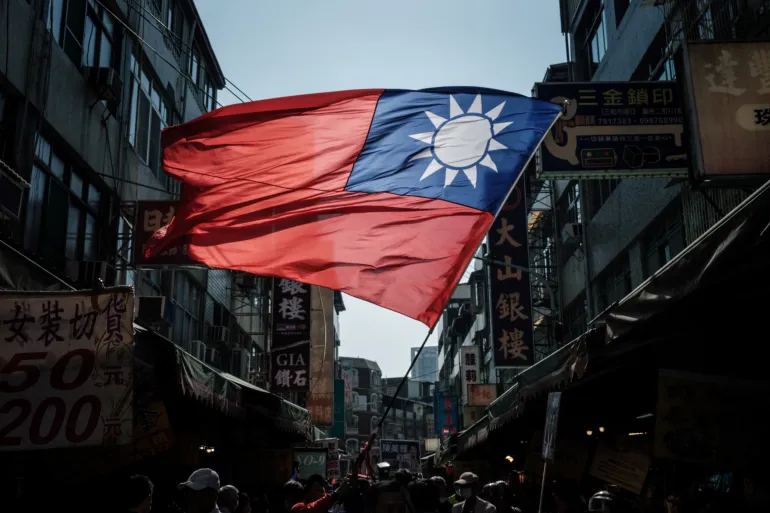
The recent U.S.-Taiwan agreement aims to expand semiconductor production on American soil, but analysts say the island’s technological edge remains firmly intact. Taiwan continues to dominate the global chip industry, keeping the so-called “silicon shield” largely in place for now.
Taiwan’s Critical Role in Global Chip Supply
Taiwan Semiconductor Manufacturing Company (TSMC) produces most of the world’s advanced chips, fabricating nearly a third of the computing power in global demand. Its dominance has made Taiwan a strategic linchpin in international security, with U.S. officials prioritizing the preservation of its de facto autonomy.
Under the new deal, Taiwan has pledged $250 billion in credit to support U.S.-based chip expansion, while U.S. tariffs on most Taiwanese goods will drop from 20% to 15%. Despite these incentives, experts caution that bringing 40% of Taiwan’s semiconductor supply chain to the U.S.—as Commerce Secretary Howard Lutnick hopes—faces significant hurdles.
Advanced Tech Stays Home
TSMC’s most advanced 2-nanometer chips remain exclusively in Taiwan. Its U.S. facilities, including the Arizona plant, currently produce 4-nanometer chips, with plans to reach 2-nanometer nodes by 2030. The time lag ensures Taiwan maintains a competitive advantage, according to analysts, with any abrupt disruption posing major risks to the global economy.
“Taiwan’s engineering talent and production capabilities in advanced fabrication are not replicable at scale elsewhere,” said William Reinsch, senior adviser at the Center for Strategic and International Studies. Even with heavy investment in U.S. production, the semiconductor ecosystem cannot be relocated overnight, keeping the “silicon shield” largely intact.
Strategic Implications and Challenges
China has opposed the deal, reiterating claims over Taiwan and warning against foreign agreements. Meanwhile, Taiwanese officials emphasize keeping cutting-edge research and development at home to avoid hollowing out the domestic industry. The island is also working to diversify its economy and strengthen defense capabilities amid ongoing Chinese military pressure.
Also Read: BRICS vs the US Dollar: Is the World Quietly Moving On?
For now, Taiwan retains its global semiconductor dominance, leaving U.S. ambitions to fully onshore advanced chip production a long-term, challenging endeavor.
Disclaimer: The information in this article is for general purposes only and does not constitute financial advice. The author’s views are personal and may not reflect the views of CoinBrief.io. Before making any investment decisions, you should always conduct your own research. CoinBrief.io is not responsible for any financial losses.