- Anonymous prediction market bets on Venezuela preceded official news, prompting insider trading concerns.
- Regulators are evaluating new rules as prediction markets grow in real-world impact.
- Polymarket’s handling of outcomes has drawn user backlash and legal scrutiny.
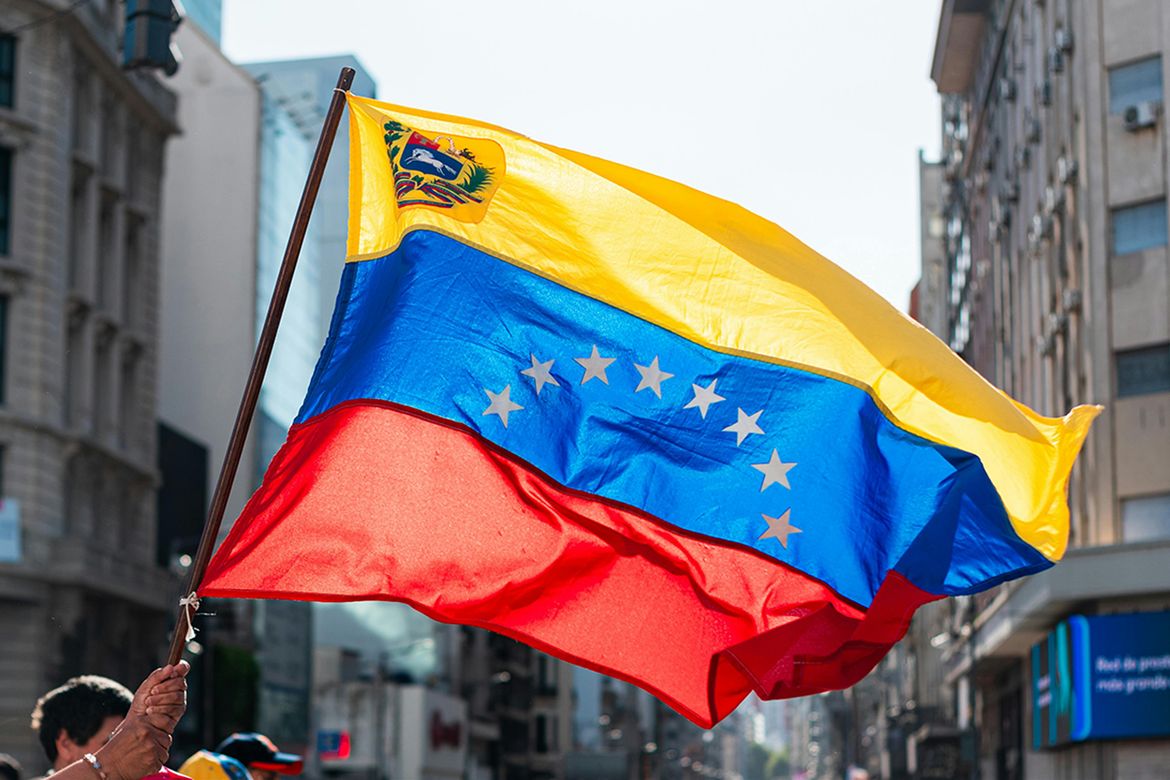
Polymarket and the broader world of crypto prediction markets are under the spotlight after high-stakes wagers on Venezuelan President Nicolás Maduro’s downfall turned into massive profits for a few anonymous traders — just hours before U.S. forces carried out a covert operation. The situation has raised tough questions about insider knowledge and fairness in markets that trade on future world events.
The Perfectly Timed Trades
In the early days of January 2026, several accounts on Polymarket placed concentrated bets that Maduro would be ousted by the end of January. One such account reportedly transformed a roughly $32,000 wager into more than $400,000 in profit after the arrest of Maduro was announced by U.S. leaders.
Blockchain analysts noted that these wallets were newly created and had little to no trading history before these targeted bets — a pattern that fueled suspicions of advance information. The timing and precision of the trades led observers and lawmakers to ask whether someone with insider access might have been involved.
Broader Market & Legal Questions
Prediction markets like Polymarket allow users to speculate on real-world geopolitical events, from elections to military actions. While this can offer insights into collective expectations, it also opens the door to ethical and legal concerns when bets align almost too closely with secret government decisions.
Unlike traditional securities markets — where insider trading is clearly illegal — prediction markets operate in a regulatory gray zone. That gap has prompted calls for clearer rules and safeguards. One proposed bill in the U.S. would ban government employees from trading on outcomes tied to non-public knowledge.
Platform Response and User Backlash
Polymarket itself has faced criticism not only for the bets but also for its contract definitions. After refusing to pay out on certain wagers related to a U.S. “invasion” of Venezuela, many users accused the platform of shifting the goalposts post hoc.
Also Read: Did Venezuela Secretly Hoard 600,000 Bitcoin? Analysts Say the Math Doesn’t Add Up
The Venezuelan bet episode isn’t just a headline — it’s a test case for how digital markets interpret events, judge insider access, and balance openness with fairness. As regulators, lawmakers, and users grapple with these issues, one thing is clear: prediction markets are no longer fringe. They’re a central battleground in the debate over crypto’s role in real-world decision making.
Disclaimer: The information in this article is for general purposes only and does not constitute financial advice. The author’s views are personal and may not reflect the views of CoinBrief.io. Before making any investment decisions, you should always conduct your own research. CoinBrief.io is not responsible for any financial losses.